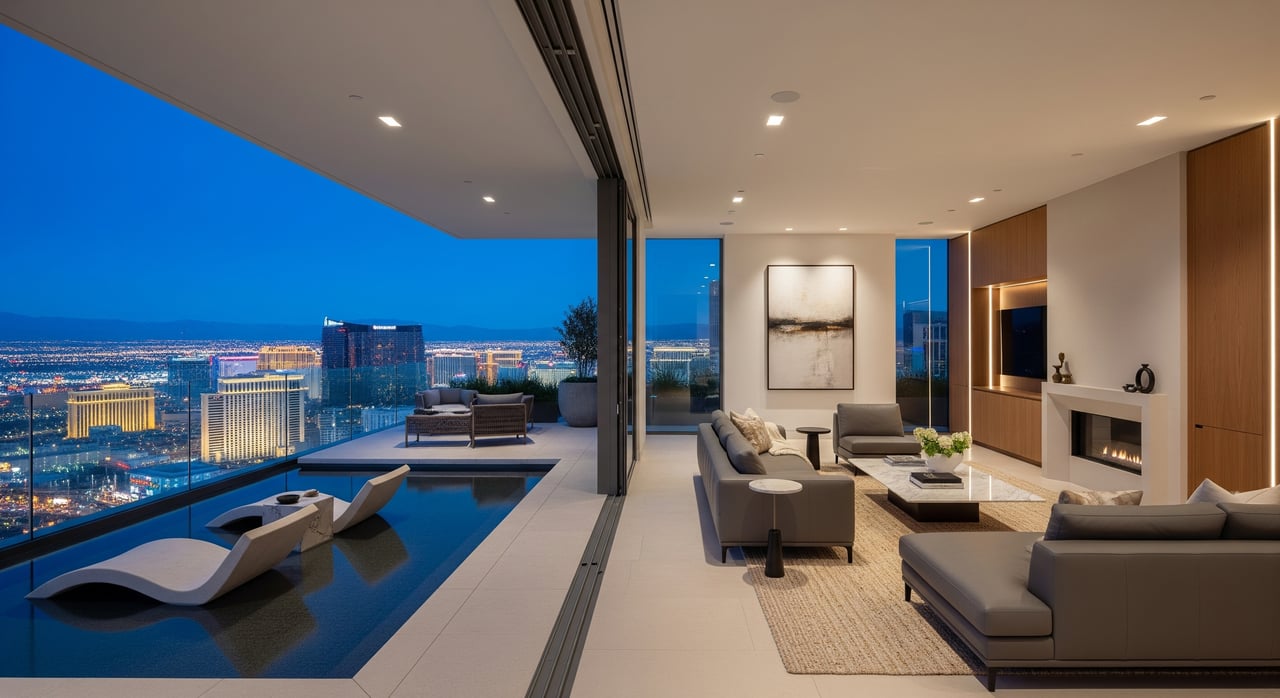
Thinking about a high-rise condo in Las Vegas but not sure what daily life, costs, and rules really look like? You’re not alone. Many buyers love the idea of skyline views and concierge services, yet want clear answers about HOAs, parking, and rental policies before they commit. In this guide, you’ll learn what to expect in Las Vegas towers, from amenities and fees to financing, neighborhood tradeoffs, and a smart buyer checklist so you can move forward with confidence. Let’s dive in.
What high-rise living means here
In Las Vegas, high-rise living typically means a multi-story condominium tower with professional management and shared amenities. You’ll find everything from boutique mid-rises to luxury towers with full-service staff. Many buyers are empty-nesters, out-of-state relocators, second-home owners, investors where allowed, and professionals who want to be close to dining and entertainment.
The biggest differences among buildings are views, amenity level, HOA strength, parking, and rental rules. You should also expect more paperwork during purchase, since you’ll review condo documents and association disclosures. In return, you often get lower maintenance and a more convenient, lock-and-leave lifestyle.
Daily life and tradeoffs
Living in a tower can feel like a resort. Many buildings offer pools, fitness centers, lounges, and front-desk service. The tradeoff is less private outdoor space and the possibility of neighbor or noise issues. HOA dues are typically higher than most single-family neighborhoods, because they fund staffing, amenities, and building operations.
If you like simplicity and convenience, high-rise life can be a great fit. If you value large patios or private yards, you’ll want to weigh that against the benefits of services and security.
Building types and amenities
Las Vegas offers several tower styles. Understanding the differences helps you match the building to your lifestyle and budget.
Luxury residential towers
These purpose-built residences are known for full-service amenities, on-site management, and an upscale resident experience. You may see concierge, valet, multiple pools, club rooms, and well-equipped gyms. Expect higher HOA dues in buildings with robust staffing and numerous amenities.
Boutique high-rises
Boutique towers typically have fewer units, more intimate common areas, and often a stronger owner-driven culture. Dues can vary based on staffing and amenities. If you prefer a quieter building feel, this category can be appealing.
Condo-hotel and mixed-use towers
Some buildings combine residential living with hotel-like services. Policies around short-term rentals and management programs vary by building and by local rules. If you’re considering any kind of rental income, review the condo documents and local regulations before you buy.
Converted or older buildings
Converted or older towers can offer lower entry prices. They may also have different reserve needs or older systems, which can affect special assessments over time. Reviewing reserve studies and recent building projects is essential during due diligence.
How amenities influence HOA fees
Amenities and staffing are major drivers of HOA dues. Multiple pools, 24-7 front desk, valet, and extra services typically mean higher ongoing costs. Some features may carry additional owner costs such as private parking arrangements, separate metering for utilities, or pay-per-use guest suites. Ask for a clear breakdown of what your dues cover and what they do not.
Parking, storage, and deliveries
Parking setups differ by building. Some condos include assigned stalls, while others offer valet or allow you to purchase or lease additional spaces. Guest parking policies vary, which can matter if you entertain often or have frequent visitors.
Storage options are not universal. Certain buildings include storage units or offer them for separate purchase or lease. Delivery and moving policies often require scheduled move-in windows, deposits, and use of a service elevator. These rules help protect the building and keep operations smooth.
HOA health and what to review
A healthy association and building are as important as the condo itself. Review the monthly dues, the operating budget, the reserve study and funded reserves, and any recent or pending special assessments. Look at insurance coverage and any litigation disclosures. Meeting minutes can reveal upcoming projects or recurring resident concerns.
Clarify what dues include, such as staffing, some utilities, trash, cable, or building insurance. Confirm what’s excluded, like individually metered electricity or water, and your personal interior insurance needs. Strong reserves and transparent budgeting can make a real difference in long-term ownership costs.
Rental rules and short-term rentals
Every tower has its own rental policy. You’ll see rules about rental caps, minimum lease terms, registrations, and whether short-term rentals are prohibited or allowed. Local regulations in Clark County and the City of Las Vegas also apply. Even if the city allows STRs, many towers do not. If you plan to rent, align the building’s rules with local licensing and your strategy before you buy.
Financing and approvals
Condo lending has extra layers. Some lenders limit loans in projects with low reserves, high delinquencies, active litigation, or a lack of project certification. FHA and VA approvals vary by building, and many high-rises are not on those lists. Your HOA dues count toward your debt-to-income ratio, so larger dues can reduce borrowing power. A lender experienced with Las Vegas condos can help you verify project eligibility early.
Where to live: key corridors
Location shapes your daily experience. In Las Vegas, most high-rise interest centers on the Strip corridor, the Dean Martin Drive corridor, and Downtown. Consider how you plan to get around, the level of activity you prefer, your view priorities, and how traffic patterns affect your lifestyle.
Strip corridor pros and cons
Pros:
- Strong lifestyle appeal with 24-7 entertainment, dining, and retail nearby.
- Potential rental demand related to tourism if a building’s rules allow it.
- High visibility and prestige in certain luxury towers.
Cons:
- Higher exterior noise, bright lights, and heavier transient traffic.
- Parking and congestion can be more challenging around major resorts.
- Premium properties may have higher prices and dues.
Research specific towers with resources like the Panorama Towers guide, The Martin condo guide, and the Turnberry Place guide to compare floor plans, views, and services.
Dean Martin Drive corridor pros and cons
Pros:
- Close to the Strip with generally less pedestrian congestion.
- Often easier vehicle access and newer building stock with modern layouts.
Cons:
- Some segments still sit near busy intersections. Orientation and height affect both noise and views.
This corridor can be a sweet spot if you want Strip proximity without being in the thick of it. Compare amenities and parking setups across buildings to find your best fit.
Downtown Las Vegas pros and cons
Pros:
- Walkable, urban energy with local-owned restaurants, arts, and culture.
- Often lower purchase prices than Strip-adjacent units and a different community feel.
Cons:
- Fewer large modern luxury towers and 24-7 services.
- Nightlife noise can be concentrated near Fremont Street.
If you value an arts-forward vibe and daytime walkability, Downtown may suit your lifestyle. Just know that services and amenity levels vary widely by building.
Buyer due diligence checklist
Use this checklist to evaluate buildings on your shortlist.
Essential documents to request
- CC&Rs, bylaws, house rules, and amendments.
- Latest HOA budget, year-to-date financials, and a balance sheet showing reserves.
- Most recent reserve study and any funding plan.
- HOA board meeting minutes from the past 6–12 months.
- Master insurance declarations and coverage details.
- Litigation disclosures or certificate showing no pending litigation.
- Rental policy, leasing history, and occupancy data if you plan to rent.
- Building inspection records, elevator maintenance logs, and exterior or roof work history.
- Estoppel certificate noting amounts owed, violations, or pending assessments.
Questions to ask the HOA and listing agent
- What do dues cover and what is excluded?
- Are there current or upcoming special assessments? Have any been recently paid?
- Is the project approved for FHA, VA, or conventional certifications? Which lenders commonly finance here?
- What are the rental and short-term rental rules, and have there been recent changes?
- How many units are owner-occupied vs rented? What is typical time on market for resales?
- How many parking spaces convey with the unit, and what are guest parking options?
- Are there any pending lawsuits or recurring quality-of-life concerns?
- What are the move-in procedures, deposits, and service elevator rules?
- What are the security practices and how are access and cameras managed?
Practical living considerations
- Noise and elevator wait times during peak hours.
- Package and delivery management for online orders.
- Storage capacity for seasonal items and sports gear.
- Sun exposure and privacy tradeoffs by orientation and floor height.
- Whether utilities are individually metered or part of dues.
Next steps and smart timing
Before you write an offer, confirm building finances, reserves, and insurance coverage. Align your lending plan with the project’s approval status, and have your lender run numbers that include HOA dues. If you are considering rentals, match building rules with local short-term rental regulations so there are no surprises.
When comparing buildings, tour at different times of day to assess traffic, noise, and elevator usage. If views are a priority, evaluate both the unit’s orientation and potential future development nearby. Request recent sales in the building to gauge pricing patterns and hold times.
Learn more about specific towers
If you are early in your search, explore building guides like the Panorama Towers guide, The Martin condo guide, and the Turnberry Place guide. These resources help you compare floor plans, amenities, parking, views, and HOA structures so you can narrow to the best-fit options.
Ready to explore high-rise options in Las Vegas? Schedule a private high-rise consultation to review available condos in top towers and align on HOA docs, recent comparables, and lender options. To get started, reach out to Steve Gonzalez today.
FAQs
What makes Las Vegas high-rises different from other cities?
- Many towers cluster around entertainment corridors, so you balance walkability and services with higher tourist traffic and noise, especially near the Strip.
How do HOA dues work in Las Vegas towers?
- Dues fund building operations, staffing, amenities, and shared utilities. The more services a building offers, the higher the dues typically are.
Can I use a high-rise for short-term rentals?
- It depends on both building rules and local city or county regulations. Some towers prohibit STRs even if local rules allow them.
Are FHA or VA loans common for high-rises?
- Many towers are not FHA or VA approved. Check the specific project’s status early and work with a lender experienced in condo financing.
What parking options should I expect?
- Options include assigned stalls, valet, and purchasable or leasable spaces. Guest parking policies vary and can affect your hosting plans.
How do I evaluate a building’s financial health?
- Review the HOA budget, reserve study and funded reserves, insurance coverage, and any special assessments or litigation. Meeting minutes add helpful context.