Looking for Strip proximity without the tourist frenzy at your front door? If you want full-service condo living, great views and quick access to entertainment, ONE Las Vegas deserves a careful look. You will learn what to verify before you buy, how to compare it to on-Strip towers, and where costs and rules can impact your decision. Let’s dive in.
ONE Las Vegas at a glance
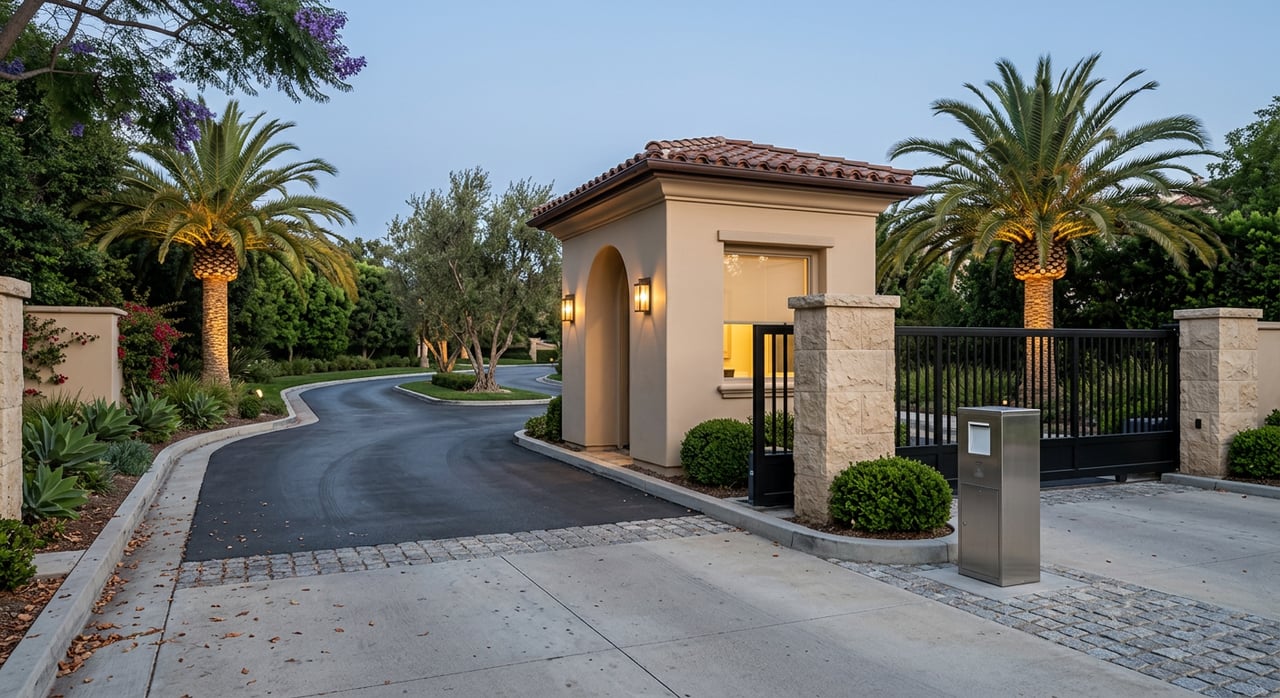
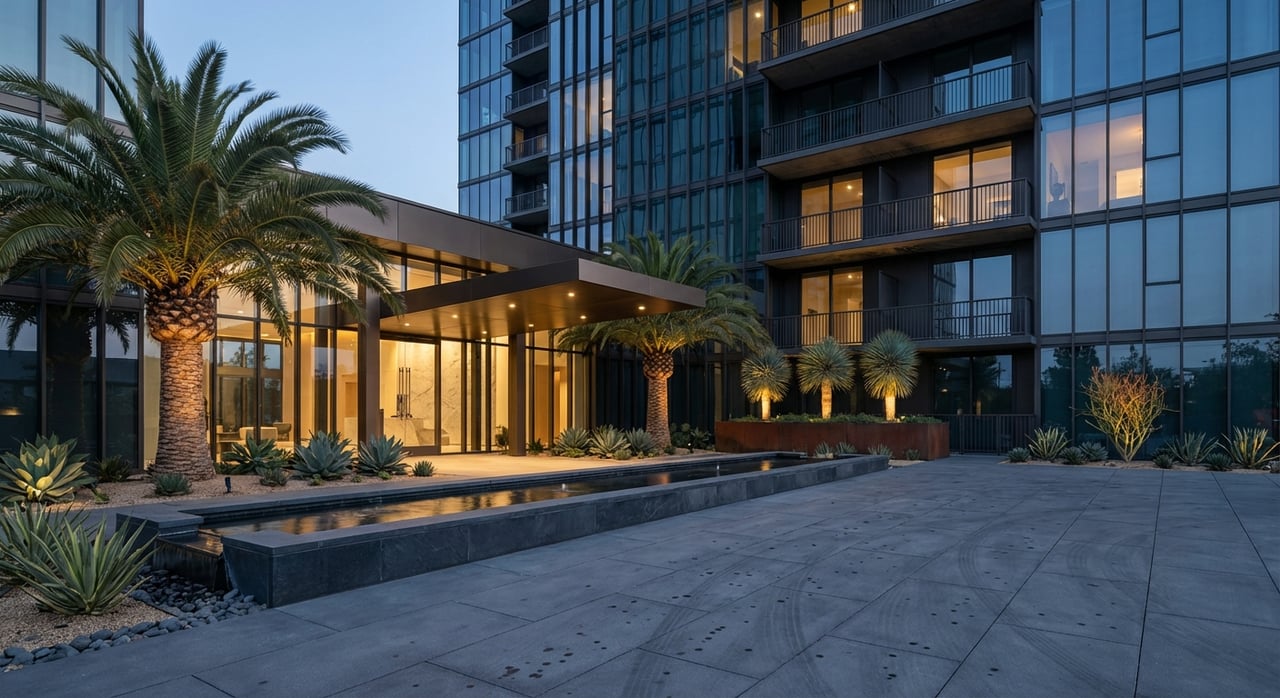
ONE Las Vegas is a two-tower residential high-rise community on the south end of the Strip corridor. The vibe is residential-first with full amenities, while still close to major venues and dining. It often appeals to buyers who want luxury or near-luxury finishes and a quieter base compared to casino-adjacent towers.
Before you write an offer, confirm the building structure. Verify the number of towers, whether each tower has its own HOA board or there is a master association, and how ownership is set up. Pull CC&Rs and bylaws, and check county property records so you know exactly what you are buying.
Units and floor plans
What to confirm
- Unit types offered, such as one-, two-, and three-bedroom layouts, plus any penthouses.
- Square-footage ranges and whether listed figures match assessor records.
- Unique features like large terraces, enclosed dens, private elevator access, or two-level layouts.
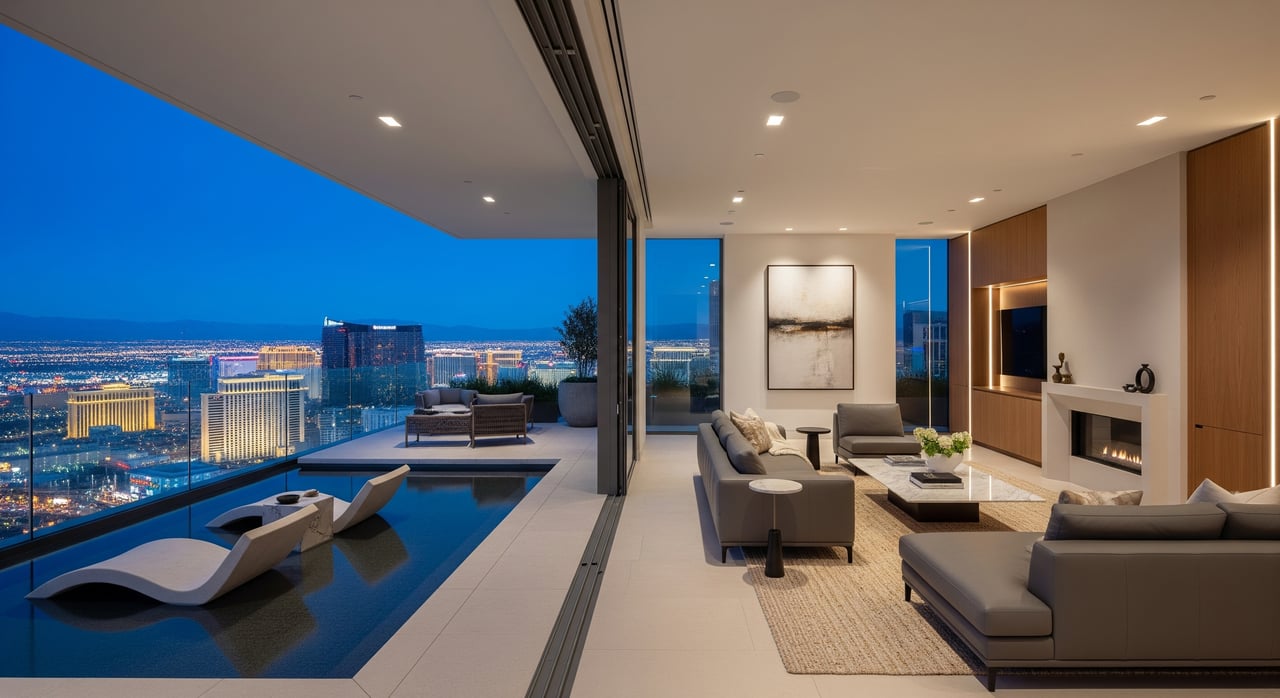
- Orientation and view lines, including Strip, city, pool, or mountain views.
- Floor-plan PDFs from official sources and MLS listing packets for accuracy.
How floor plans impact value
- Higher floors and direct Strip sightlines usually command premiums. Corner layouts and penthouses often include larger terraces and more space.
- Units with popular orientations or larger outdoor areas can see stronger resale. Ask for a stack-by-stack view guide when possible.
- Always confirm parcel numbers and interior square footage so marketing materials match county data.
Amenities and services
What to expect
- Security and front desk services, with details to confirm on staffing hours.
- Fitness and wellness options, such as a gym, spa areas, or saunas.
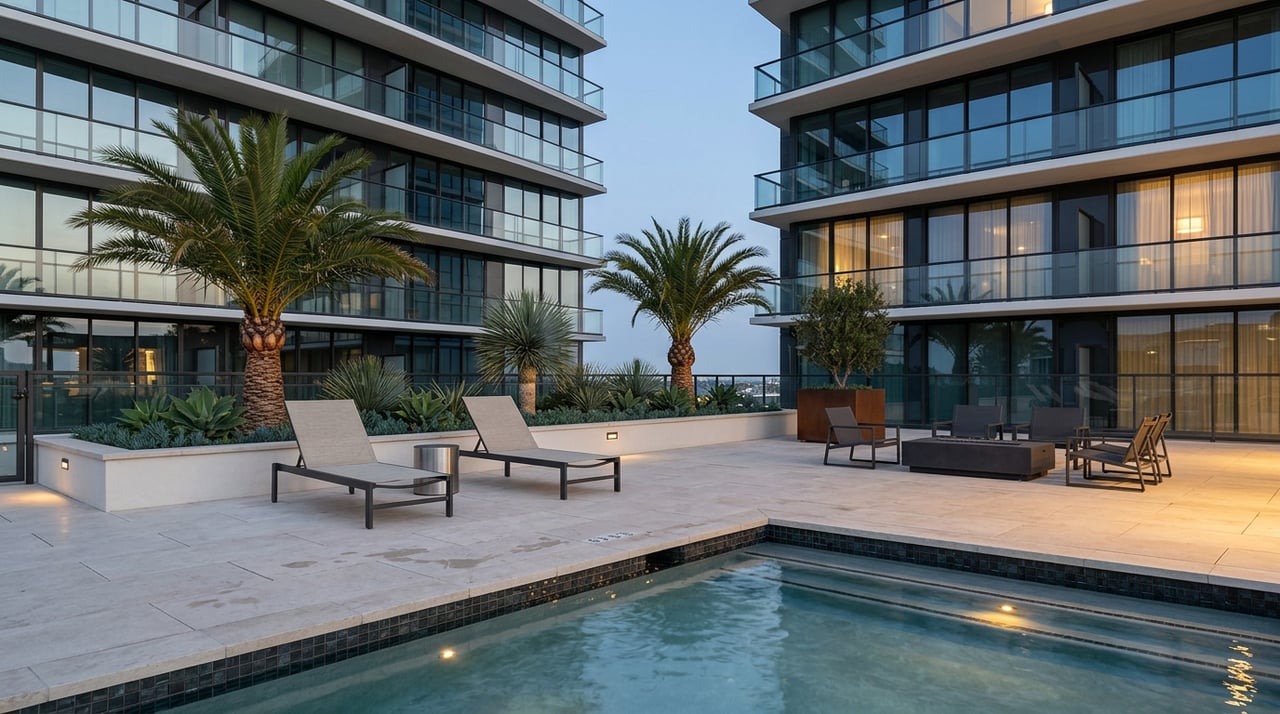
- Pool and outdoor areas with seating, possible cabanas, and social spaces.
- Community rooms for events, lounges, and potential theater or screening rooms.
- Business amenities like a meeting room or business center.
- Assigned parking, guest parking rules, and options for storage or bike rooms.
- Pet policies, including any size or number limits and fees.
Questions to ask
- Are any amenities tower-specific or subject to extra fees?
- Which services are pay-per-use, like private cabanas or event reservations?
- What are the maintenance schedules and hours for pool and gym access?
- Are there any planned changes to amenity access in upcoming budgets?
HOA, fees and reserves
Must-have documents
- CC&Rs, bylaws, and rules and regulations.
- The current budget, recent financials, and the reserve study.
- Meeting minutes for the past 12 to 24 months.
- The master insurance certificate and an estoppel letter confirming dues and assessments.
Dues and assessments
- Find out how dues are calculated and what they include. Look for water, trash, common-area electric, insurance, staffing, and any bulk cable or internet line items.
- Ask about recent dues increases, upcoming capital projects, and reserve fund health. Strong reserves can lower the risk of special assessments.
- Confirm any separate fees for parking, storage, pets, or amenity reservations. Small items add up in total monthly cost.
Rental rules and investor notes
Short-term vs long-term
- Rental rules are set by the CC&Rs and local ordinances. Confirm the minimum lease term, any owner-occupancy period before renting, and whether there is a rental cap.
- If short-term rentals are restricted, long-term leases may still be possible. Verify the registration process, approvals, and penalties for violations.
- Check county and city rules for transient lodging requirements if you plan to rent.
Practical investor checks
- Verify actual lease demand and achievable rents for allowed lease terms.
- Model net yield after HOA dues, insurance, property taxes, and any management or leasing fees.
- Ask the HOA about owner-occupancy rates, approval timelines, and any proposed rule changes in meeting minutes.
Location: south Strip advantages
What you gain
- Often a lower price per square foot compared to marquee on-Strip addresses.
- A more residential feel with less tourist foot traffic at the entrance.
- Quick access to major entertainment, sports venues, and the airport.
- View options that include the valley and mountains, not just resort signage.
Tradeoffs to weigh
- Less “on-Strip” branding and fewer casino-adjacent amenities right outside the lobby.
- Different pedestrian activity around the property compared to Strip-front towers.
- If you want 24/7 tourist energy and instant casino access, south-Strip may feel like a compromise.
Transportation and access
- Confirm assigned parking, guest parking, and any valet or pay-per-space options.
- Check typical drive times to the central Strip, the airport, and nearby shopping hubs.
- Consider traffic during major sports and convention events and how ride-share pickup works.
ONE Las Vegas vs. Strip-adjacent towers
Value drivers
- Direct Strip views and higher floors tend to push price per square foot.
- Amenity breadth and staffing levels impact HOA dues and day-to-day experience.
- Short-term rental policies can influence investor demand and pricing momentum.
- Marquee addresses can carry prestige premiums, while residential-only towers trade more on livability and cost efficiency.
How to compare comps
- Compare similar unit types and floor levels, adjusting for view quality and terrace size.
- Review recent closed sales, days on market, and price adjustments across both communities.
- Factor HOA expense ratios and any pending capital projects into your total cost of ownership.
Who ONE Las Vegas fits
- Primary owner-occupants who want full-service condo living near the Strip without being in a casino tower.
- Downsizers who value a lock-and-leave lifestyle with security and social spaces.
- Second-home buyers who prioritize convenience, views, and concierge-style services.
- Investors who plan for allowed lease terms and want to model stable, long-term tenancy if short-term rentals are limited.
Budget checklist
- Purchase price based on current comps and listings.
- One-time costs: earnest money, inspection, appraisal, title and escrow, HOA transfer or capital contribution if applicable.
- Ongoing costs: HOA dues, property taxes, HO-6 interior insurance, utilities not covered by HOA, internet/cable beyond any bulk contracts, reserve contributions, and potential special assessments.
- Leasing-related costs: business registration or taxes if renting, plus management or leasing fees if applicable.
- Upgrades and replacements: appliances, flooring, paint, lighting, and any remodel needs.
- Financing: confirm project approval with your lender, owner-occupancy ratios, and whether FHA or VA options are possible if relevant.
Due diligence checklist
- Documents: CC&Rs, bylaws, rules, financials, reserve study, meeting minutes, master insurance, estoppel letter, and any litigation disclosures.
- Unit condition: full inspection, HVAC and window checks, water intrusion review, terrace waterproofing and railing stability.
- Practical living: parking assignments, guest parking rules, storage unit access, package handling and any fees, pet rules and deposits.
- HOA questions: current owner-occupancy rate, planned rule changes, pending assessments, approval timelines for rentals or renovations.
- Local contacts: the listing agent for disclosures, a condo-specialist buyer agent, local mortgage brokers for project eligibility, and your title company for easements or encumbrances.
Next steps
ONE Las Vegas offers a compelling mix of convenience, amenities, and value just south of the Strip. If you confirm the right floor plan, view orientation, HOA health, and rental flexibility for your goals, it can be a smart long-term choice. Ready to compare stacks, amenities, and total cost of ownership with on-Strip options? Schedule a private high-rise consultation with Steve Gonzalez.
FAQs
Are short-term rentals allowed at ONE Las Vegas?
- Policies vary by community and local rules; confirm the minimum lease term, any rental caps, and registration steps in the CC&Rs and municipal guidelines.
How do HOA dues here compare to on-Strip towers?
- Dues depend on staffing, insurance, amenities, and reserves; compare detailed budgets line by line rather than focusing on a single monthly number.
Can I get Strip views from my unit at ONE Las Vegas?
- Views depend on orientation and floor level; review floor-plan orientation materials and tour multiple floors to gauge view premiums.
Can I list my condo on Airbnb?
- Many Las Vegas high-rises restrict short-term listings; check the CC&Rs and local transient lodging rules to avoid violations and penalties.
Is parking included with ONE Las Vegas condos?
- Parking policies vary by unit and tower; verify assigned spaces, guest parking rules, and any separate fees or valet options before you buy.