Are you weighing a condo at ONE Las Vegas for rental income and long-term upside? You are not alone. Investors are drawn to the South Strip location, full amenity package, and steady tenant demand from nearby employers and event traffic. In this guide, you will see how rents, HOA fees, and leasing rules shape your returns, plus a simple underwriting framework you can use before you write an offer. Let’s dive in.
Why ONE Las Vegas appeals to investors
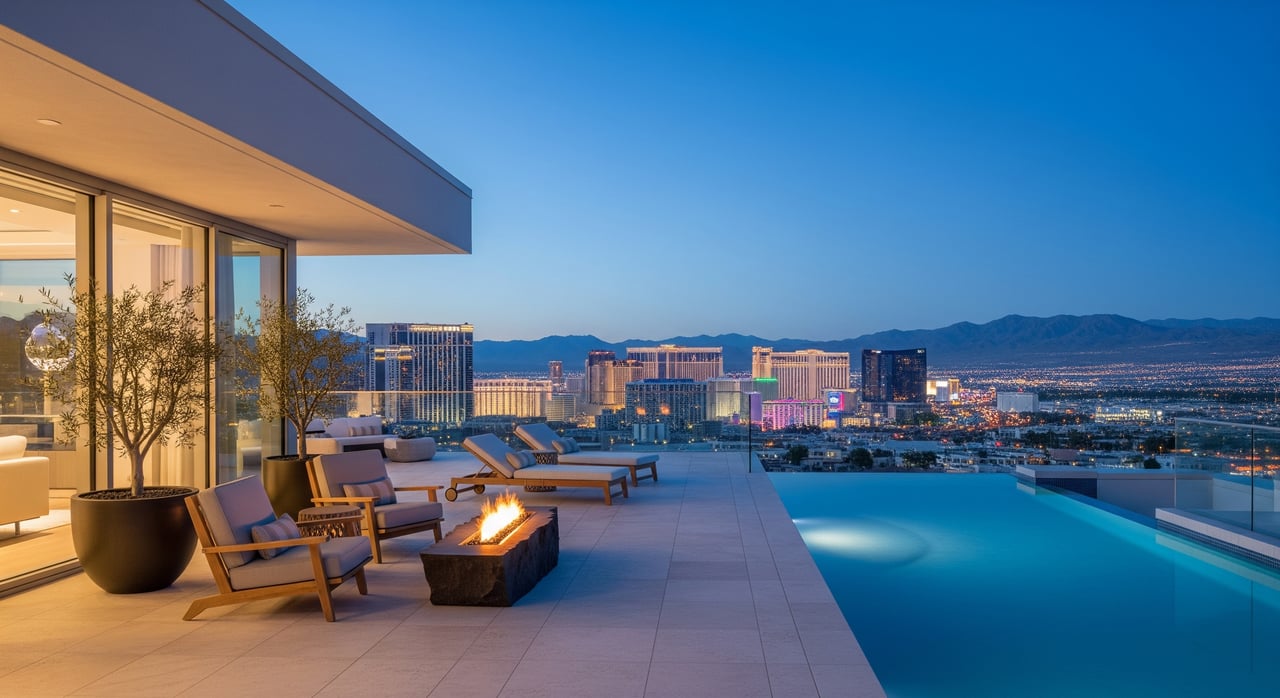
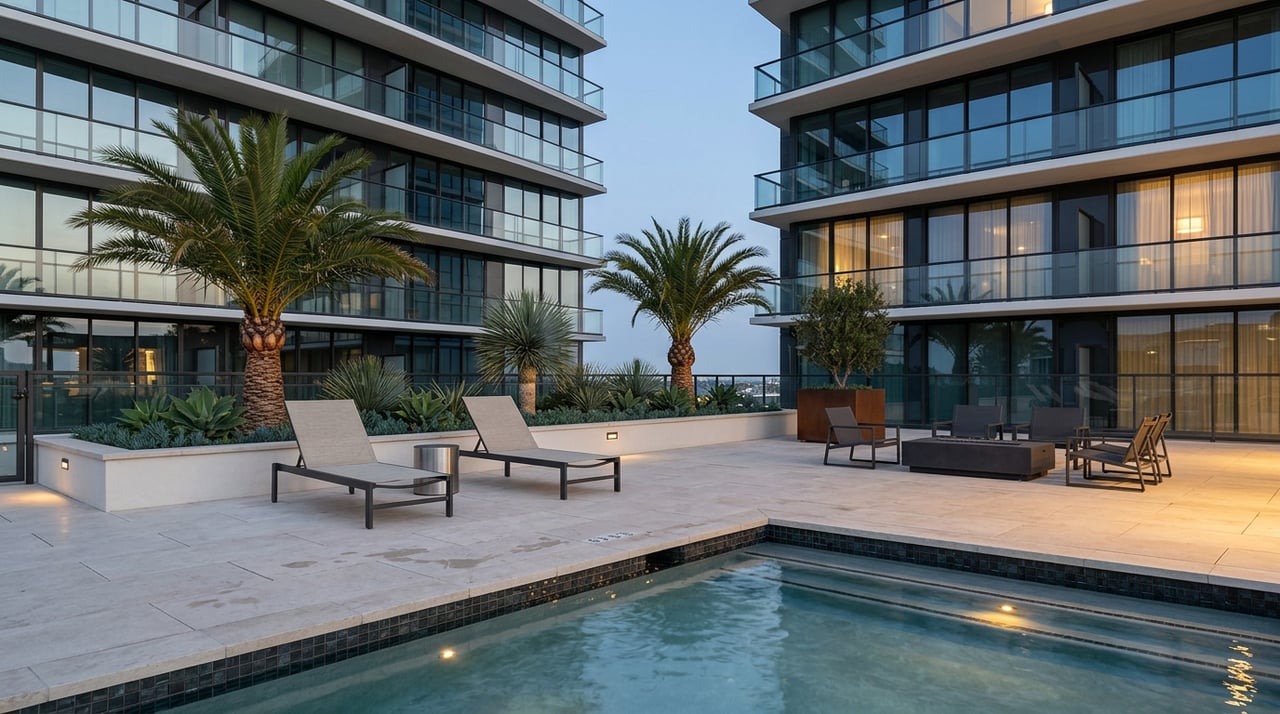
You get a resort-style high-rise setting with professional management, a convenient South Strip address, and access to a broad renter pool. The location attracts long-term renters who work on or near the Strip and airport, as well as corporate transferees on defined assignments. Major sports and convention calendars also lift mid-term demand during peak periods.
If you value stable leasing with big-city amenities, ONE Las Vegas is worth a close look. The key is understanding how HOA fees, rent levels, and county rules affect your actual yield.
Location and building snapshot
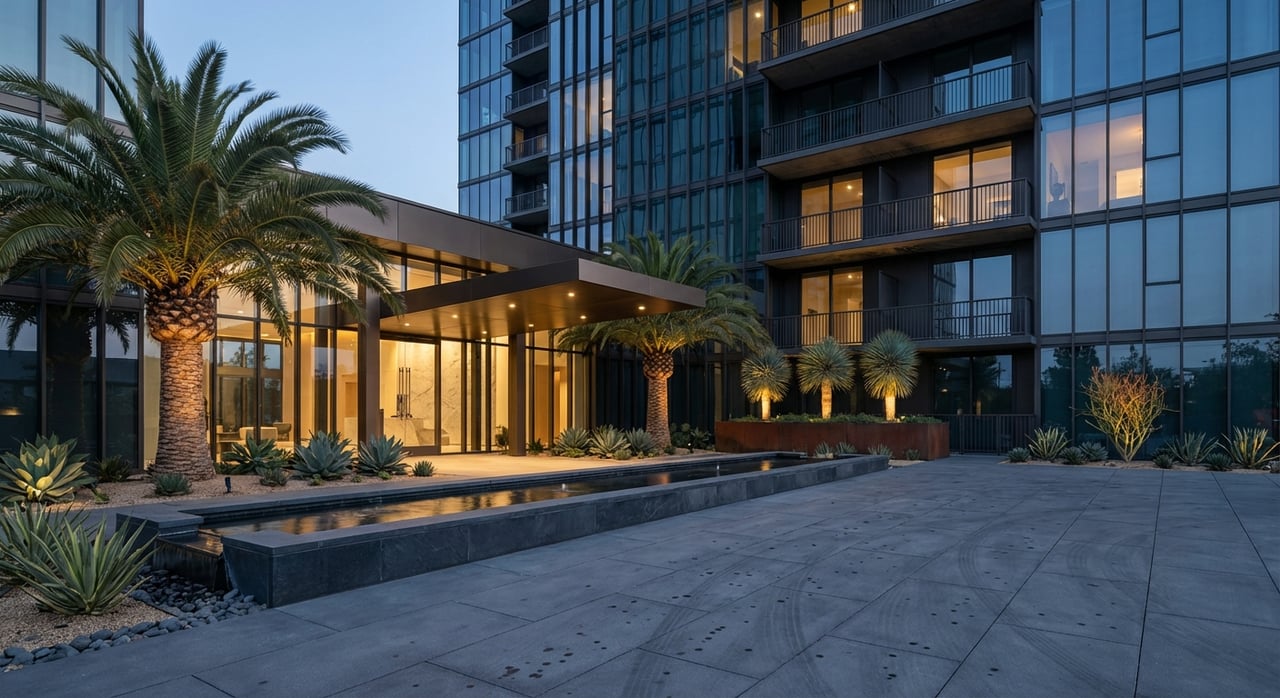
- Two 20-story towers with 359 total condos that opened in 2008. You will find the property at 8255 S Las Vegas Blvd in the Enterprise/South Strip submarket. Building background
- Quick access to Allegiant Stadium and Harry Reid International Airport, which supports both resident and event-driven rental demand.
Recent resale activity shows wide pricing by size and finish. In 2024 and 2025, smaller one-bedrooms traded in the mid 200 thousands while larger two and three bedrooms ranged roughly into the mid 500 thousands. Always underwrite against fresh, floor-plan specific comps.
Rents, demand, and seasonality
Valley-wide averages have softened from peak pandemic pricing, with recent Las Vegas apartment rents around the mid 1,400s per month. Expect some price pressure and seasonal swings to carry through underwriting. Las Vegas rent trend context
At ONE Las Vegas, asking rents vary by floor, finish, furnishing, and whether utilities are included. Sample ranges seen in active listings:
- One-bedrooms often ask about 1,700 to 2,200 per month.
- Furnished two-bedrooms marketed to corporate or mid-term demand often ask about 2,500 to 3,300 per month.
- Larger three-bedrooms and penthouse-style homes can ask higher, though they usually carry higher HOA dues.
Visitor surges tied to sports and conventions can lift mid-term demand, but they do not replace a solid long-term rent base. Visitor calendar context
HOA fees and true costs
The HOA line at ONE Las Vegas can be significant and varies by unit. Sample listings show dues from the mid 400s per month for some smaller floor plans to over 1,400 per month for larger homes. What is covered commonly includes cable, some building-level internet, water, sewer, trash, parts of gas, master insurance, security or concierge, and amenities upkeep.
Why it matters: HOA can equal 30 to 40 percent or more of collected rent on certain units. That single expense often decides whether your deal cash flows. Confirm the exact dues for the unit you plan to buy and request the latest HOA budget to see what is included.
Also ask about reserves and any planned projects. If reserves are thin, special assessments can appear and change your yield. Reviewing the reserve study and funding level is standard due diligence. What a reserve study is
Short-term rental rules
Do not assume nightly STRs are allowed. Nevada law requires local regulation, and Clark County’s licensing program restricts supply. In multifamily buildings, eligibility depends on HOA governing documents and county caps. Most condos limit or prohibit rentals under 30 days unless the HOA expressly allows them and the county issues a license. Plan for long-term or 30-plus day mid-term leasing unless you confirm both HOA permission and a Clark County license. Clark County STR program
Underwrite step by step
Use this simple framework before you write an offer:
- Price and comps: Pull recent sold comps for the exact floor plan and finish level.
- Market rent: Confirm current asking and achieved rents for similar units, furnished and unfurnished, and note which utilities are included.
- HOA line: Verify the unit’s exact monthly assessment and what it covers. Request the HOA budget, reserve study, and minutes.
- Taxes and insurance: Use the last tax bill and get a quote for an HO-6 policy. Many Nevada condo policies price in the low hundreds per year. HO-6 overview
- Financing: Investor rates often price above owner-occupied loans. As a baseline, Freddie Mac’s weekly survey was near 5.98 percent for 30-year fixed in late February 2026. Expect an investor premium of about 0.5 to 1.0 percent depending on your profile. Rate baseline
- Operating costs: Include HOA, taxes, insurance, utilities you cover, management (often 8 to 12 percent of rent), leasing fees, and a maintenance or CapEx reserve.
- Vacancy: Use a conservative 5 to 8 percent.
- Run the math: Compute NOI, cap rate, and monthly cash flow. Stress test with higher vacancy or lower rent.
Two sample returns
These conservative, illustrative scenarios show how the numbers can look at ONE Las Vegas. Replace inputs with your target unit’s data.
Example A: 2-bedroom furnished, mid-term focus
- Price: 420,000 with 25 percent down, 30-year fixed at 6.7 percent; loan about 315,000 and monthly principal and interest about 2,032.63.
- Rent: 3,000 per month furnished; 36,000 per year.
- HOA: 1,100 per month; 13,200 per year.
- Taxes and insurance: about 1,908 and 500 per year.
- Management, vacancy, reserve: 8 percent management (2,880), 5 percent vacancy (1,800), 5 percent CapEx (1,800).
Result: Annual operating costs about 22,088. NOI about 13,912. After debt service of about 24,392 per year, cash flow is negative by about 10,479. All-cash cap rate is about 3.3 percent.
Example B: 1-bedroom unfurnished, long-term focus
- Price: 284,000 with 25 percent down, 30-year fixed at 6.7 percent; loan about 213,000 and monthly principal and interest about 1,374.44.
- Rent: 1,900 per month unfurnished; 22,800 per year.
- HOA: 550 per month; 6,600 per year.
- Taxes and insurance: about 1,162 and 416 per year.
- Management, vacancy, reserve: 8 percent management (1,824), 5 percent vacancy (1,140), 5 percent CapEx (1,140).
Result: Annual operating costs about 12,282. NOI about 10,518. After debt service of about 16,493 per year, cash flow is negative by about 5,975. All-cash cap rate is about 3.7 percent.
What to take away: smaller units often produce a higher cap rate because HOA is lower in absolute dollars, yet many financed deals still run negative at typical investor rates. Larger down payments, lower-rate financing, or an all-cash approach can flip the math.
Leasing strategy that works
- Pick your term: Long-term (12 months) offers stability and simpler operations. Mid-term (30 to 90-plus days) can command a premium, but you need furnishings, clear house rules, and active coordination.
- Furnishing standards: For corporate housing, provide a fully equipped kitchen, quality bedding, a work desk, and high-speed internet. This can support a 10 to 30 percent premium depending on season and finish.
- Management plan: Use a manager that knows high-rise HOA rules, tenant registration, and common-area compliance. Expect 8 to 12 percent of collected rent plus leasing fees.
- Insurance and leases: Secure the right condo policy and require tenant liability coverage. Bake HOA rules and fee responsibility into your lease.
For risk planning, keep a maintenance and CapEx reserve and underwrite a realistic vacancy. Conservative planning helps you weather seasonal swings. Turnkey planning context
When the numbers make sense
- You target a lower-HOA one-bedroom with strong rent-to-dues ratio.
- You buy with cash or a higher down payment to reduce debt service risk.
- You plan for long-term leasing, with mid-term furnished options during peak demand.
- You want an amenity-rich hold with lifestyle appeal and potential appreciation, and you accept a modest cap rate at acquisition.
Next steps
- Verify the unit’s exact HOA dues and what they include.
- Request the HOA budget, reserve study, and board minutes before you commit.
- Confirm rental rules and whether any short-term activity is even possible under county rules and HOA documents.
- Stress test rents, vacancy, and CapEx in your model.
If you want a hands-on partner to source the right floor plan, validate the HOA numbers, and execute a leasing plan that fits your goals, I can help. Schedule a private consultation with Steve Gonzalez to start your underwriting and tour the best-value stacks at ONE Las Vegas.
FAQs
Are short-term rentals allowed at ONE Las Vegas?
- Nightly rentals are not a given. Clark County requires a license and the HOA must permit transient use. Most condos restrict stays under 30 days, so plan for long-term or mid-term leasing unless you confirm both approvals. County STR rules
What do HOA fees at ONE Las Vegas usually cover?
- Dues commonly bundle cable, some building internet, water, sewer, trash, parts of gas, master insurance, security or concierge, and amenity upkeep. Always confirm the exact inclusions with the current HOA budget.
What cap rate should I expect today at ONE Las Vegas?
- Conservative examples show about 3.3 to 3.7 percent on an all-cash basis depending on unit size and HOA level. Actual results vary by floor plan, finish, view, and your operating strategy.
Is a one-bedroom or two-bedroom better for ROI?
- One-bedrooms can post higher cap rates because the HOA is lower in absolute dollars. Two-bedrooms can earn more rent, but higher dues can compress margins. Run the math on the exact unit.
How do current interest rates affect cash flow?
- Investor loans often price 0.5 to 1.0 percent above owner-occupied rates. At typical investor rates, many financed deals at ONE Las Vegas show negative cash flow unless you increase the down payment or push rents with a strong mid-term plan. Rate baseline
What due diligence should I do on the HOA?
- Request the latest budget, reserve study, percent-funded, and recent board minutes. This helps you assess dues stability and any risk of special assessments that could change your yield. Reserve study basics